Avast Free Antivirus remains one of the most effective tools available for detecting and blocking malware, offering a level of core protection that often rivals paid products. However, its history of significant privacy issues and its constant attempts to push users toward paid upgrades make it a complicated recommendation.
Protection: Excellent Security Core
The primary reason to use Avast Free Antivirus is its core security engine. Independent testing labs consistently award Avast top marks for protection against zero-day threats, widespread malware, and phishing attempts. In real-world tests, it is highly successful at blocking malicious websites and downloads.
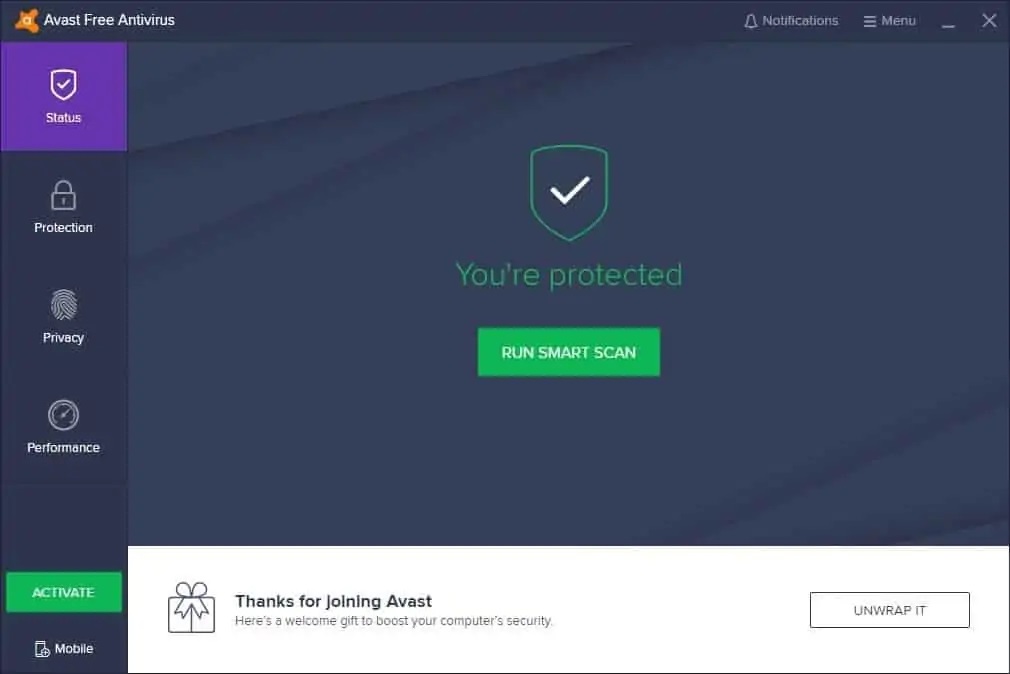
The free version provides robust, always-on protection, including:
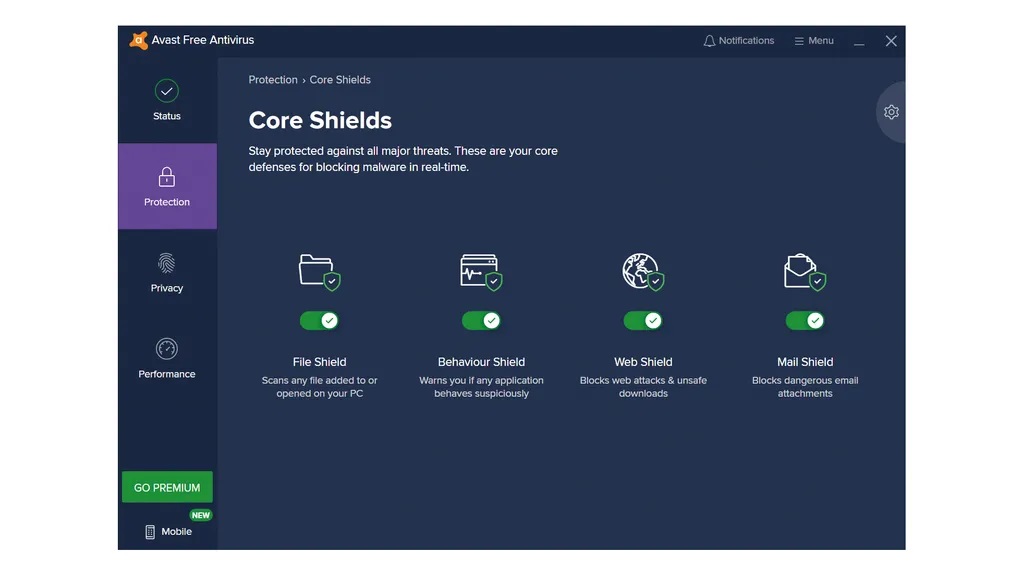
- Real-Time File Shield: Monitors files as they are opened and used.
- Web Shield & Mail Shield: Blocks dangerous websites and scans email attachments for malicious content.
- Wi-Fi Inspector: Scans your network for vulnerabilities and devices connected to it.
- Ransomware Shield (Limited): Helps prevent untrusted applications from modifying files in key protected folders.
Simply put, if you are looking for free software that is highly effective at stopping viruses, Avast’s engine delivers.
Features: More Than Just a Scanner
Avast Free Antivirus includes more features than many competing free antivirus solutions, positioning itself almost as a mini-security suite. A notable inclusion is the Wi-Fi Inspector, which is a great tool for ensuring your home network is secure, especially if you have smart devices.
However, many of Avast’s best-known features—like the full Firewall, specialized anti-phishing/anti-scam tools, and a secure VPN—are locked behind a clear, persistent “Upgrade” button. This leads to the main downside of the free product.
The Drawbacks: Privacy and Upselling
This is where the recommendation becomes difficult. Avast’s reputation took a major hit after it was found to be collecting and selling users’ web browsing data through a former subsidiary, resulting in a large settlement. While the company claims to have ceased this practice, the incident severely damaged user trust. For users prioritizing privacy above all else, Avast’s history is a significant deterrent.
Additionally, while you are getting top-tier protection for free, you pay for it in other ways:
- Constant Upselling: Avast is notoriously pushy with pop-up notifications and in-app ads urging you to upgrade to their Premium plans or purchase other Avast products. This can make the user experience annoying and cluttered.
- Feature Limitations: Essential features like the advanced firewall and unlimited use of the VPN are strictly reserved for paying customers.
Final Verdict
Avast Free Antivirus is technically outstanding at its primary job: detecting and stopping malware. It earns high scores from security labs and provides crucial real-time defense.
However, its performance is balanced by legitimate concerns about user privacy and an often aggressive interface designed to make you pay for a subscription.
If you are a user who downloads files cautiously, can tolerate the upgrade prompts, and wants best-in-class malware protection for zero cost, Avast Free is worth considering. If system privacy is your number one concern, or if you prefer a quieter, less intrusive experience, you may be better off sticking with Microsoft Defender (the built-in Windows security tool) or exploring free versions from competitors like Bitdefender or Kaspersky.